


English



Paperback
₹3476
(All inclusive*)
Delivery Options
Please enter pincode to check delivery time.
*COD & Shipping Charges may apply on certain items.
Review final details at checkout.
Looking to place a bulk order? SUBMIT DETAILS

Piracy-free

Assured Quality

Secure Transactions
About The Book
Description
Author
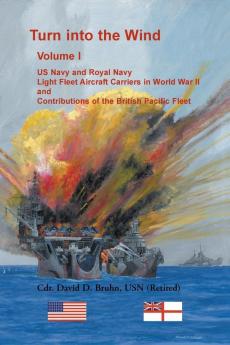
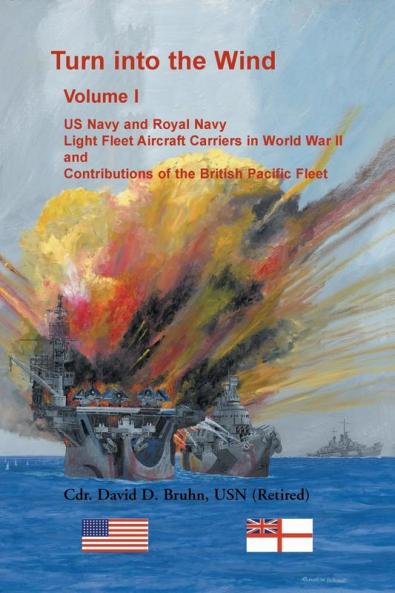
<p>In the Pacific in World War II the dearth of US Navy fleet aviation capabilities became acute following the loss in 1942 of four aircraft carriers to combat action. New Essex-class fleet aircraft carriers were being built but would not be ready soon enough. Time was of the essence. President Franklin D. Roosevelt intervened to solve the problem - directing reluctant Navy top brass to turn cruiser hulls already laid down into light aircraft carriers. This created nine Independence-class ships which would earn more battle stars on average than their bigger better-known sisters (the twelve finally-completed Essex carriers that saw combat action). Aboard two of the light carriers were future presidents George H. W. Bush and Gerald R. Ford. Pilots and aircrews flying from the 622-foot flat-tops earned scores of decorations for heroism. These included two Medals of Honor Navy Crosses Silver and Bronze Stars and dozens of Distinguished Flying Crosses. Some of the recipients such as Edward Butch O'Hare are familiar to aviation buffs. Others including Hollis H. Hills who flew in the two greatest air battles of the war: Dieppe in 1942 and the Great [Marianas] Turkey Shoot in the Pacific in 1944 less so. Britain similarly began construction on ten 698-foot Colossus-class light fleet carriers. Four entered service before the end of the war and were allocated to the British Pacific Fleet but arrived too late for frontline action. Aboard the BPF's larger carriers which fought in the Battle of Okinawa and other actions were members of many Commonwealth countries. Among them was Robert Hampton Gray who (posthumously) was Canada's last Victoria Cross winner of the war. One hundred sixty-five photographs maps and diagrams; appendices; and an index to full-names places and subjects add value to this work.</p><p><br></p><p>2021 6x9 paper index 454 pp</p>
Piracy-free
Assured Quality
Secure Transactions
Delivery Options
Please enter pincode to check delivery time.
*COD & Shipping Charges may apply on certain items.
Review final details at checkout.
Details
ISBN 13
9780788408212
Publication Date
-18-11-2021
Pages
-454
Weight
-611 grams
Dimensions
-152x229x23.32 mm
