

English


₹296
₹499
40.59% OFF
(All inclusive*)
Paperback
Delivery Options
Please enter pincode to check delivery time.
*COD & Shipping Charges may apply on certain items.
Review final details at checkout.
Looking to place a bulk order? SUBMIT DETAILS
Delivery Options
Please enter pincode to check delivery time.
*COD & Shipping Charges may apply on certain items.
Review final details at checkout.
About The Book
Description
Author(s)
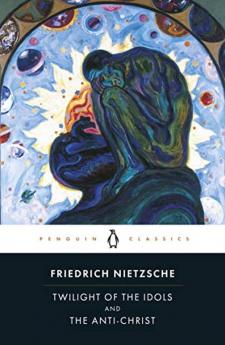
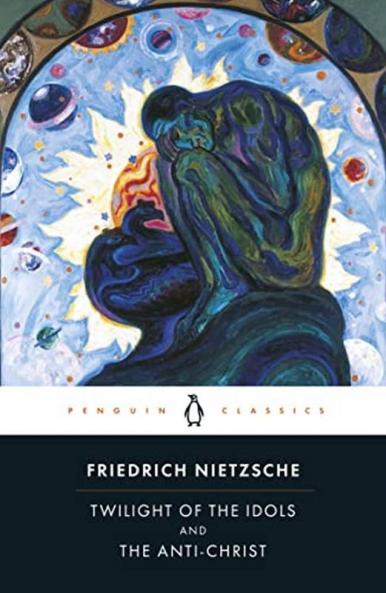
'One must be superior to mankind in force in loftiness of soul--in contempt'<p>In these two devastating works Nietzsche offers a sustained and often vitriolic attack on the morality and the beliefs of his time in particular those of Hegel Kant and Schopenhaur. <b>Twilight of the Idols</b> is a 'grand declaration of war' on reason psychology and theology that combines highly charged personal attacks on his contemporaries with a lightning tour of his own philosophy. It also paves the way for <b>The Anti-Christ</b> Nietzche's final assault on institutional Christianity in which he identifies himself with the 'Dionysian' artist and confronts Christ; the only opponent he feels worthy of him.</p><p>In his introduction Michael Tanner discussed the themes of Nietzche's argument and places the works in their historical and philosophical context.</p>

Piracy-free

Assured Quality

Secure Transactions

Fast Delivery

Sustainably Printed
Details
ISBN 13
9780140445145
Publication Date
-15-02-1990
Pages
-224
Weight
-161 grams
Dimensions
-129x197x13.7 mm
