


English




Paperback
₹1824
(All inclusive*)
Delivery Options
Please enter pincode to check delivery time.
*COD & Shipping Charges may apply on certain items.
Review final details at checkout.
Looking to place a bulk order? SUBMIT DETAILS

Piracy-free

Assured Quality

Secure Transactions
About The Book
Description
Author
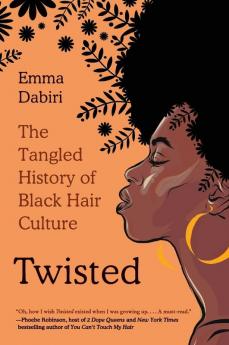
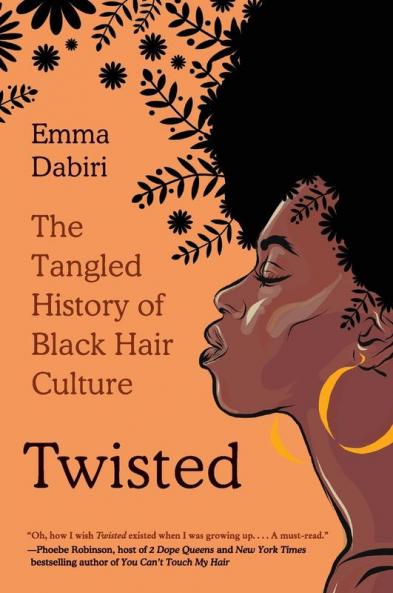
A Kirkus Best Book of the YearStamped from the Beginning meets You Can’t Touch My Hair in this timely and resonant social justice essay collection from Guardian contributor and prominent BBC race correspondent Emma Dabiri exploring the ways in which black hair has been appropriated and stigmatized throughout history with ruminations on body politics race pop culture and Dabiri’s own journey to loving her hair.Emma Dabiri can tell you the first time she chemically straightened her hair. She can describe the smell the atmosphere of the salon and her mix of emotions when she saw her normally kinky tresses fall down her shoulders. For as long as Emma can remember her hair has been a source of insecurity shame and—from strangers and family alike—discrimination. And she is not alone.Despite increasingly liberal world views black hair continues to be erased appropriated and stigmatized to the point of taboo. Through her personal and historical journey Dabiri gleans insights into the way systemic racism is coded in society’s perception of black hair—and how it is often used as an avenue for discrimination. Dabiri takes us from pre-colonial Africa through the Harlem Renaissance and into today''s Natural Hair Movement exploring everything from women''s solidarity and friendship to the criminalization of dreadlocks to the dubious provenance of Kim Kardashian''s braids and the complexities of cultural appropriation.Through the lens of hair texture Dabiri leads us on a historical and cultural investigation of the global history of racism—and her own personal journey of self-love and finally acceptance.Deeply researched and powerfully resonant Twisted proves that far from being only hair black hairstyling culture can be understood as an allegory for black oppression and ultimately liberation. This landmark cultural investigation connects the personal and the political exploring the rich complex history of Black hair.Black Hair History: Uncover the rich history of Black hairstyling from its origins in pre-colonial Africa to the vibrant expressions of the Harlem Renaissance and beyond.Body Politics and Identity: Examine how hair texture is used to police Black bodies and how Dabiri’s personal journey from shame to acceptance becomes a powerful act of resistance.The Natural Hair Movement: Go inside the modern movement that challenges Eurocentric beauty standards and redefines the relationship millions of Black women have with their hair.A Feminist Perspective: Delve into themes of women’s solidarity pop culture and the ways in which hairstyling can be a profound allegory for both oppression and ultimate liberation.
Piracy-free
Assured Quality
Secure Transactions
Delivery Options
Please enter pincode to check delivery time.
*COD & Shipping Charges may apply on certain items.
Review final details at checkout.
Details
ISBN 13
9780062966728
Publication Date
-21-02-2024
Pages
-272
Weight
-294 grams
Dimensions
-135x203x17.25 mm
