





₹8643
(All inclusive*)
Hardback
Delivery Options
Please enter pincode to check delivery time.
*COD & Shipping Charges may apply on certain items.
Review final details at checkout.
Looking to place a bulk order? SUBMIT DETAILS
Delivery Options
Please enter pincode to check delivery time.
*COD & Shipping Charges may apply on certain items.
Review final details at checkout.
About The Book
Description
Author(s)
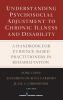
<p>Rehabilitation practitioners face the difficult task of helping clients adjust to chronic illness or disability. This can be a long and trying process for both practitioner and client. With this handbook however practitioners and students can gain a wealth of insight into the critical issues clients face daily. <p>This book presents the dominant theories models and evidence-based techniques necessary to help the psychosocial adjustment of chronically ill or disabled persons. Each chapter is written from an evidence-based practice (EBP) perspective and explores how important issues (i.e. social stigma social support sexuality family depression and substance abuse) affect persons adjusting to chronic illness and disability. <p><b>Key features include:</b> <ul> <li>A review of psychopharmacological treatment options for depression anxiety and other disorders coinciding with rehabilitation <li>The effect of rehabilitation on the family including key family intervention strategies <li>Strategies for using positive psychology and motivational interviewing in rehabilitation <li>Multiculturalism and the effect of culture on the adjustment process <li>Ancillary materials including an instructor's manual with a syllabus examination items PowerPoint presentation and answers to class exercises </ul> <p>By incorporating research-based knowledge into clinical rehabilitation practice health care professionals can ensure that people with chronic illness and disability receive only the best treatment.

Piracy-free

Assured Quality

Secure Transactions

Fast Delivery

Sustainably Printed
Details
ISBN 13
9780826123862
Publication Date
-16-06-2009
Pages
-606
Weight
-897 grams
Dimensions
-152x229x33.34 mm
