

English


Hardback
₹5956
(All inclusive*)
Delivery Options
Please enter pincode to check delivery time.
*COD & Shipping Charges may apply on certain items.
Review final details at checkout.
Looking to place a bulk order? SUBMIT DETAILS
Delivery Options
Please enter pincode to check delivery time.
*COD & Shipping Charges may apply on certain items.
Review final details at checkout.
About The Book
Description
Author(s)
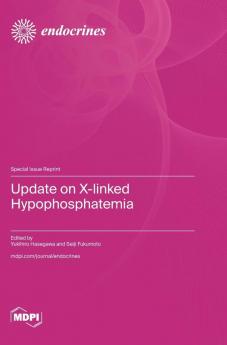
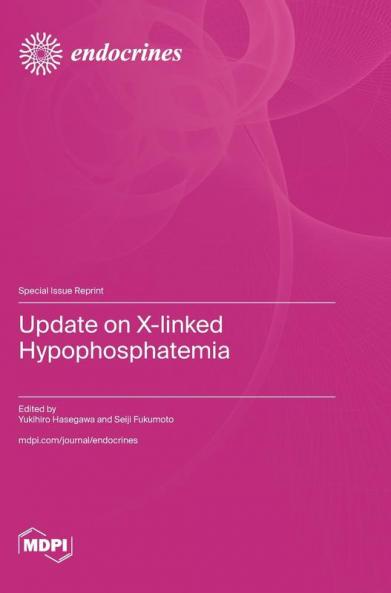
<p>Rickets and osteomalacia are associated with impaired mineralization in growth plate cartilage and the bone osteoid.&nbsp;Vitamin D deficiency has been one of the major causes for rickets and osteomalacia. In addition it has been also known that there are diseases called vitamin D-resistant rickets/osteomalacia which cannot be cured by native vitamin D. Since the cloning of <em>FGF23</em> in 2000 it has become clear that most cases of vitamin D-resistant rickets/osteomalacia are caused by excessive actions of FGF23. X-linked hypophosphatemia (XLH) is the most common cause of inherited FGF23-reltated hypophosphatemic rickets. Patients with XLH suffer from life-long morbidity of bone cartilage ligament joint tooth and muscle which significantly affects quality of life. Since FGF23 was shown to be the humoral factor causing hypophosphatemia in patients with XLH anti-FGF23 antibody that blocks the actions of FGF23 has been developed and become clinically available in several countries. The introduction of this new drug together with advanced knowledge concerning physiological and pathophysiological significance of FGF23 has further stimulated research and promoted dissemination of fruits of the studies in this field. From these backgrounds a variety of both basic and clinical topics concerning XLH are covered in this special issue to provide up-to-date summaries of the current understanding.</p>

Piracy-free

Assured Quality

Secure Transactions

Fast Delivery

Sustainably Printed
Details
ISBN 13
9783036596860
Publication Date
-15-01-2024
Pages
-146
Weight
-352 grams
Dimensions
-170x244x14.29 mm
