


This Book is Out of Stock!
English


Hardback
₹19206
(All inclusive*)
Delivery Options
*COD & Shipping Charges may apply on certain items.
Review final details at checkout.
Looking to place a bulk order? SUBMIT DETAILS

Piracy-free

Assured Quality

Secure Transactions
About The Book
Description
Author(s)
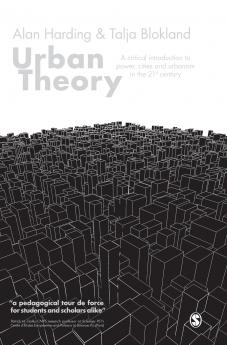
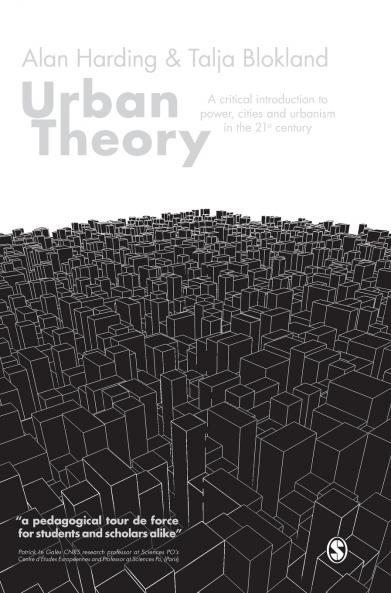
<p><span style=background-color: rgba(255 255 255 1); color: rgba(0 0 0 1)>What&nbsp;</span><em style=background-color: rgba(255 255 255 1); color: rgba(0 0 0 1)>is&nbsp;</em><span style=background-color: rgba(255 255 255 1); color: rgba(0 0 0 1)>Urban Theory? How can it be used to understand our urban experiences? Experiences typically defined by enormous inequalities not just&nbsp;</span><em style=background-color: rgba(255 255 255 1); color: rgba(0 0 0 1)>between&nbsp;</em><span style=background-color: rgba(255 255 255 1); color: rgba(0 0 0 1)>cities but&nbsp;</span><em style=background-color: rgba(255 255 255 1); color: rgba(0 0 0 1)>within&nbsp;</em><span style=background-color: rgba(255 255 255 1); color: rgba(0 0 0 1)>cities in an increasingly interconnected and globalised world. This book explains:</span></p><ul><li><span style=background-color: rgba(255 255 255 1); color: rgba(0 0 0 1)>Relations between urban theory and&nbsp;</span><strong style=background-color: rgba(255 255 255 1); color: rgba(0 0 0 1)>modernity&nbsp;</strong><span style=background-color: rgba(255 255 255 1); color: rgba(0 0 0 1)>in key ideas of the Chicago School spatial analysis humanistic urban geography and 'radical' approaches like Marxism</span></li><li><span style=background-color: rgba(255 255 255 1); color: rgba(0 0 0 1)>Cities and the transition to informational economies&nbsp;</span><strong style=background-color: rgba(255 255 255 1); color: rgba(0 0 0 1)>globalization</strong><span style=background-color: rgba(255 255 255 1); color: rgba(0 0 0 1)> urban growth machine and urban regime theory the city as an actor</span></li><li><span style=background-color: rgba(255 255 255 1); color: rgba(0 0 0 1)>Spatial expressions of&nbsp;</span><strong style=background-color: rgba(255 255 255 1); color: rgba(0 0 0 1)>inequality&nbsp;</strong><span style=background-color: rgba(255 255 255 1); color: rgba(0 0 0 1)>and key ideas like segregation ghettoization suburbanization gentrification</span></li><li><span style=background-color: rgba(255 255 255 1); color: rgba(0 0 0 1)>Socio-cultural spatial expressions of&nbsp;</span><strong style=background-color: rgba(255 255 255 1); color: rgba(0 0 0 1)>difference&nbsp;</strong><span style=background-color: rgba(255 255 255 1); color: rgba(0 0 0 1)>and key concepts like gender sexuality race ethnicity and culturalist perspectives on identity lifestyle subculture</span></li><li><span style=background-color: rgba(255 255 255 1); color: rgba(0 0 0 1)>How cities should be understood as&nbsp;</span><strong style=background-color: rgba(255 255 255 1); color: rgba(0 0 0 1)>intersections&nbsp;</strong><span style=background-color: rgba(255 255 255 1); color: rgba(0 0 0 1)>of horizontal and vertical - of coinciding resources positions locations influencing how we make and understand urban experiences.</span></li></ul><p><span style=background-color: rgba(255 255 255 1); color: rgba(0 0 0 1)>Critical interdisciplinary and pedagogically informed - with opening summaries boxes questions for discussion and guided further reading -&nbsp;</span><strong style=background-color: rgba(255 255 255 1); color: rgba(0 0 0 1)>Urban Theory: A Critical Introduction to Power Cities and Urbanism in the 21st Century</strong><span style=background-color: rgba(255 255 255 1); color: rgba(0 0 0 1)>&nbsp;provides the tools for any student of the city to understand even to change our own urban experiences.</span></p>
Piracy-free
Assured Quality
Secure Transactions
*COD & Shipping Charges may apply on certain items.
Review final details at checkout.
₹19206
Out Of Stock
All inclusive*
Details
ISBN 13
9781446294512
Publication Date
-16-05-2014
Pages
-314
Weight
-614 grams
Dimensions
-170x244x19.05 mm
