

English


₹15839
₹18333
13.6% OFF
(All inclusive*)
Hardback
Delivery Options
Please enter pincode to check delivery time.
*COD & Shipping Charges may apply on certain items.
Review final details at checkout.
Looking to place a bulk order? SUBMIT DETAILS
Delivery Options
Please enter pincode to check delivery time.
*COD & Shipping Charges may apply on certain items.
Review final details at checkout.
About The Book
Description
Author
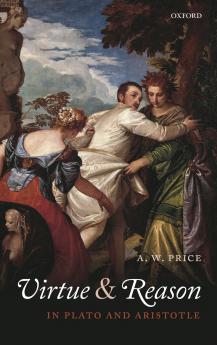
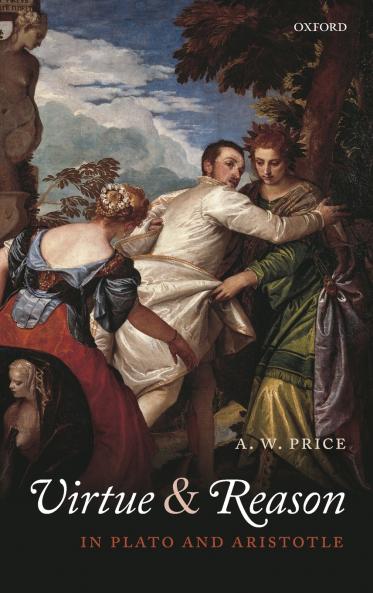
In this authoritative discussion of the philosophy of Plato and Aristotle A. W. Price considers four related areas: eudaimonia or living and acting well as the ultimate end of action; virtues of character in relation to the emotions and to one another; practical reasoning especially from an end to ways or means; and acrasia or action that is contrary to the agent's own judgement of what is best. The focal concept is that of eudaimonia which both Plato and Aristotle view as an abstract goal that is valuable enough to motivate action. Virtue has a double role to play in making its achievement possible both in proposing subordinate ends apt to the context and in protecting the agent against temptations to discard them too easily. For both purposes Price suggests that virtues need to form a unity--but one that can be conceived in various ways. Among the tasks of deliberation is to work out how and whether to pursue some putative end in context. Aristotle returns to early Plato in finding it problematic that one should consciously sacrifice acting well to some incidental attraction; Plato later finds this possible by postulating schism within the soul. Price maintains that it is their emphasis upon the centrality of action within human life that makes the reflections of these ancient philosophers perennially relevant.<BR>

Piracy-free

Assured Quality

Secure Transactions

Fast Delivery

Sustainably Printed
Details
ISBN 13
9780199609611
Publication Date
-20-10-2011
Pages
-370
Weight
-617 grams
Dimensions
-156x234x22.23 mm
