

English


Paperback
₹3654
₹3847
5.02% OFF
(All inclusive*)
Delivery Options
Please enter pincode to check delivery time.
*COD & Shipping Charges may apply on certain items.
Review final details at checkout.
Looking to place a bulk order? SUBMIT DETAILS
Delivery Options
Please enter pincode to check delivery time.
*COD & Shipping Charges may apply on certain items.
Review final details at checkout.
About The Book
Description
Author
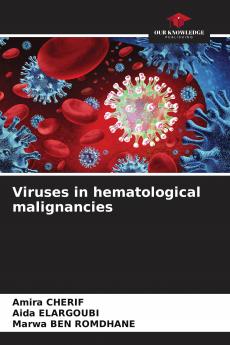
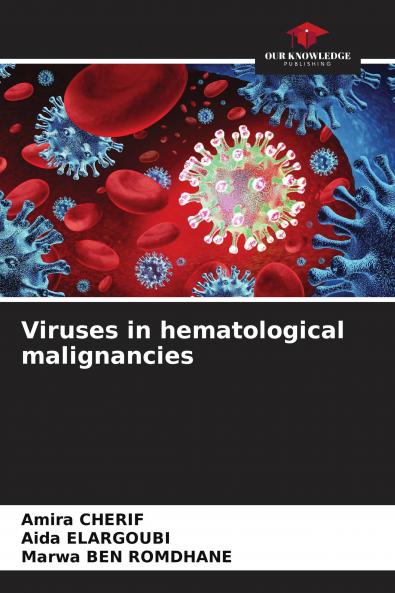
Over the years the therapeutic management of hematological malignancies has undergone revolutionary advances with the new techniques of hematopoietic stem cell transplantation (HSCT) and the introduction of targeted therapy. These advances certainly offer better survival and quality of life but their drawbacks are considerable. Indeed immunosuppressive drugs chemotherapy and HSC transplantation are most often associated with a progressive alteration of the immune humoral and cellular function thus inducing infectious complications of bacterial fungal parasitic and viral types. These infections are an important cause of death particularly after HSC transplantation or after intensive chemotherapy. However it is important to note that much progress has been made in the management and prevention of these infections with the advent of molecular biology techniques offering early diagnosis and the marketing of new antiviral molecules offering better survival.

Piracy-free

Assured Quality

Secure Transactions

Fast Delivery

Sustainably Printed
Details
ISBN 13
9786205249277
Publication Date
-31-10-2022
Pages
-72
Weight
-111 grams
Dimensions
-150x220x4.3 mm
