


This Book is Out of Stock!
English




Paperback
₹4393
(All inclusive*)
Delivery Options
*COD & Shipping Charges may apply on certain items.
Review final details at checkout.
Looking to place a bulk order? SUBMIT DETAILS
*COD & Shipping Charges may apply on certain items.
Review final details at checkout.
₹4393
Out Of Stock
All inclusive*
About The Book
Description
Author(s)
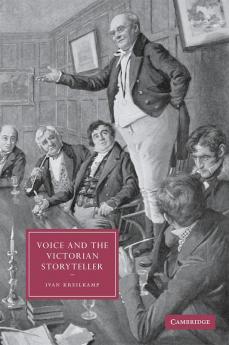
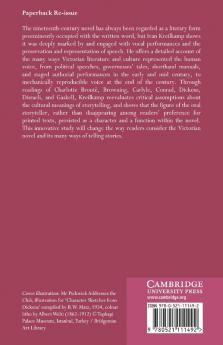
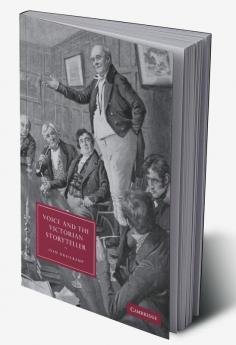
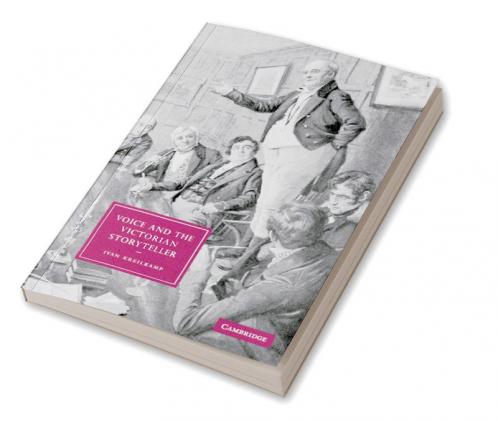
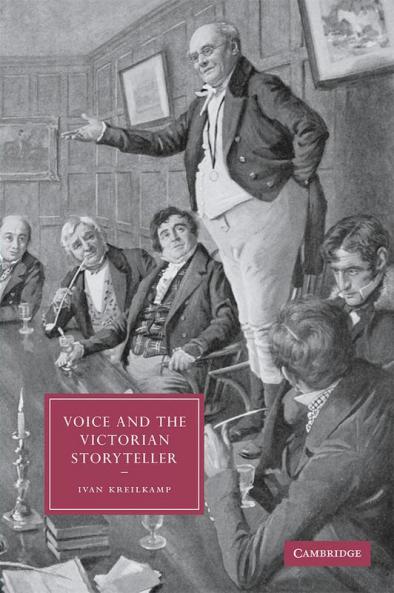
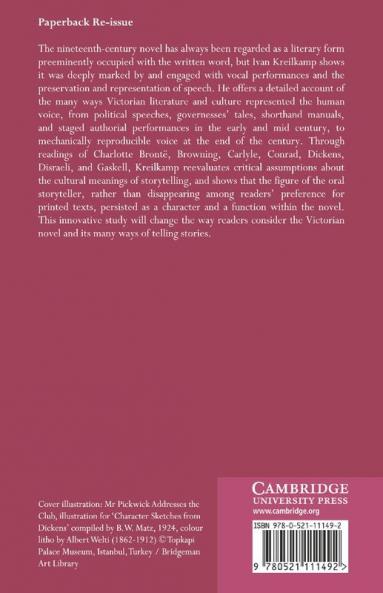
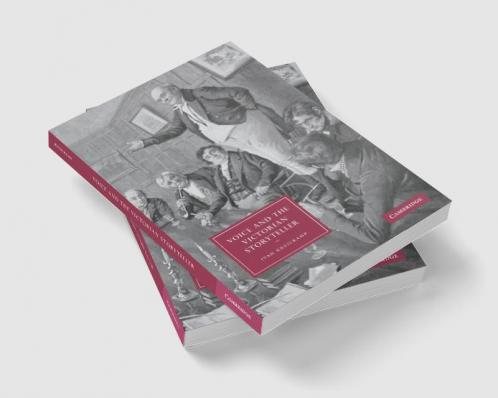
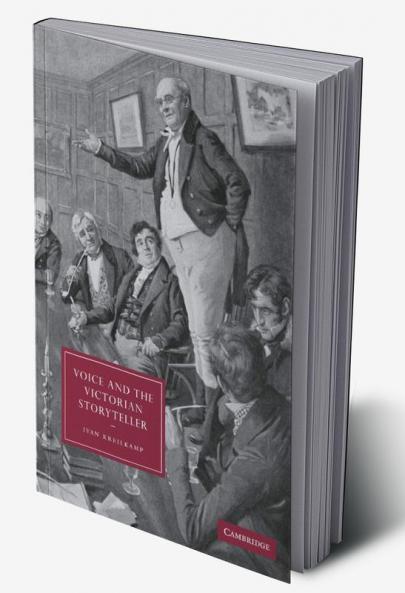
The Nineteenth-Century Novel Has Always Been Regarded As A Literary Form Pre-Eminently Occupied With The Written Word But Ivan Kreilkamp Shows It Was Deeply Marked By And Engaged With Vocal Performances And The Preservation And Representation Of Speech. He Offers A Detailed Account Of The Many Ways Victorian Literature And Culture Represented The Human Voice From Political Speeches Governesses'' Tales Shorthand Manuals And Staged Authorial Performances In The Early- And Mid-Century To Mechanically Reproducible Voice At The End Of The Century. Through Readings Of Charlotte Bront Browning Carlyle Conrad Dickens Disraeli And Gaskell Kreilkamp Re-Evaluates Critical Assumptions About The Cultural Meanings Of Storytelling And Shows That The Figure Of The Oral Storyteller Rather Than Disappearing Among Readers'' Preference For Printed Texts Persisted As A Character And A Function Within The Novel. This 2005 Study Will Change The Way Readers Consider The Victorian Novel And Its Many Ways Of Telling Stories.

Piracy-free

Assured Quality

Secure Transactions

Fast Delivery

Sustainably Printed
Details
ISBN 13
9780521111492
Publication Date
-05-07-2009
Pages
-268
Weight
-368 grams
Dimensions
-152.4x228.6x14.97 mm
