

English


Hardback
₹6502
₹6905
5.84% OFF
(All inclusive*)
Delivery Options
Please enter pincode to check delivery time.
*COD & Shipping Charges may apply on certain items.
Review final details at checkout.
Looking to place a bulk order? SUBMIT DETAILS
Delivery Options
Please enter pincode to check delivery time.
*COD & Shipping Charges may apply on certain items.
Review final details at checkout.
About The Book
Description
Author
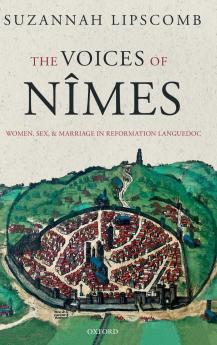
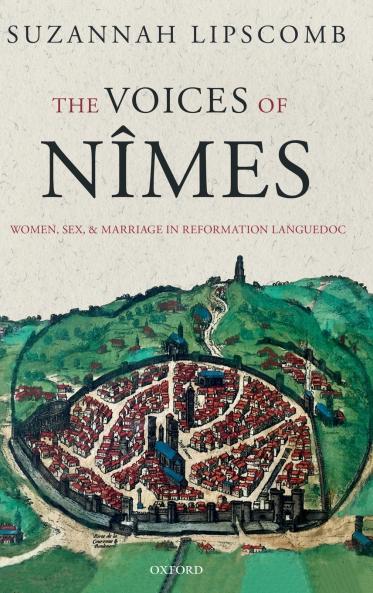
Most of the women who ever lived left no trace of their existence on the record of history. Sixteenth- and seventeenth-century women of the middling and lower levels of society left no letters or diaries in which they expressed what they felt or thought. Criminal courts and magistrates kept few records of their testimonies and no ecclesiastical court records are known to survive for the French Roman Catholic Church between 1540 and 1667. For the most part we cannot hear the voices of ordinary French women - but this study allows us to do so. <p/>Based on the evidence of 1200 cases brought before the consistories - or moral courts - of the Huguenot church of Languedoc between 1561 and 1615 <em>The Voices of N&#65533;mes</em> allows us to access ordinary women's everyday lives: their speech behaviour and attitudes relating to love faith and marriage as well as friendship and sex. Women appeared frequently before the consistory because one of the chief functions of moral discipline was the regulation of sexuality and women were thought to be primarily responsible for sexual sin. This means that the registers include over a thousand testimonies by and about women most of whom left no other record to posterity. <p/>Women also featured so prominently before the consistories because of an ironic unintended consequence of the consistorial system: it empowered women. Women quickly learnt how to use the consistory: they denounced those who abused them they deployed the consistory to force men to honour their promises and they started rumours they knew would be followed up by the elders. The registers therefore offer unrivalled evidence of women's agency in this intensely patriarchal society in a range of different contexts such as their enjoyment of their sexuality choice of marriage partners or idiosyncratic spiritual engagement. The consistorial registers therefore let us see how independent self-determining and vocal women could be in an age when they had limited legal rights little official power and few prospects. As a result this book suggests we need to reconceptualize female power: women's power was not just hidden manipulative and devious but also far more public than historians have previously recognized.<br>

Piracy-free

Assured Quality

Secure Transactions

Fast Delivery

Sustainably Printed
Details
ISBN 13
9780198797661
Publication Date
-14-04-2019
Pages
-396
Weight
-653 grams
Dimensions
-156x234x22.23 mm
