

English


₹9059
₹11972
24.33% OFF
(All inclusive*)
Paperback
Delivery Options
Please enter pincode to check delivery time.
*COD & Shipping Charges may apply on certain items.
Review final details at checkout.
Looking to place a bulk order? SUBMIT DETAILS
Delivery Options
Please enter pincode to check delivery time.
*COD & Shipping Charges may apply on certain items.
Review final details at checkout.
About The Book
Description
Author
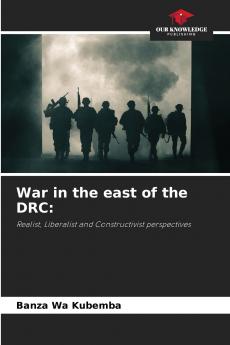
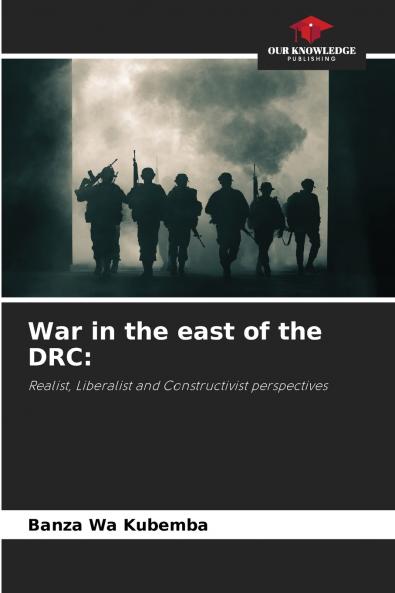
The armed conflict in eastern DRC remains one of the most complex on the continent. It involves a diversity of actors: armed groups neighboring states multinationals and the civilian population. The realist perspective highlights power struggles geopolitical rivalries and security interests linked to the control of natural resources. Liberalism on the other hand explores the possibilities of cooperation the importance of regional and international institutions and the role of governance law and trade as instruments of pacification.Lastly the constructivist reading emphasizes the weight of identities discourses perceptions and historical narratives in the maintenance of conflict. It sheds light on the symbolic and social dimensions of violence.

Piracy-free

Assured Quality

Secure Transactions

Fast Delivery

Sustainably Printed
Details
ISBN 13
9786202433471
Publication Date
-05-09-2025
Pages
-68
Weight
-106 grams
Dimensions
-152x229x4.14 mm
