


English



₹12197
₹14810
17.64% OFF
(All inclusive*)
Paperback
Delivery Options
Please enter pincode to check delivery time.
*COD & Shipping Charges may apply on certain items.
Review final details at checkout.
Looking to place a bulk order? SUBMIT DETAILS
Delivery Options
Please enter pincode to check delivery time.
*COD & Shipping Charges may apply on certain items.
Review final details at checkout.
About The Book
Description
Author
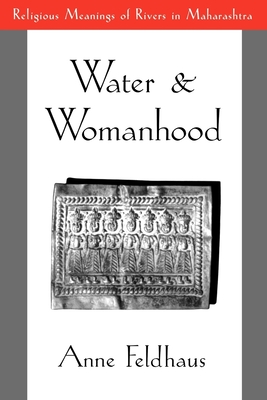
Rivers in India are commonly associated with certain worldly religious values: wealth beauty long life good health food love and the birth of children. However these domestic values have been relatively neglected by Indologists who have tended to view India and Hinduism through the prism of poverty misery asceticism and themes of purity or pollution. Following recent scholarship by arguing that the earthly pursuits are equally vital to an understanding of popular Hinduism Feldhaus examines the role of these ideals in the religious meanings of rivers in Maharashtra a large region of western India. Drawing both on written religious texts and on a wide range of oral iconographic and ritual materials gathered in the course of field work in India she shows that these values which are usually associated with women or represented by goddesses are an important motif in popular religious practices and oral traditions associated with the rivers of Maharashtra and she presents the many different ways in which rivers are imagined enshrined worshipped and feared.

Piracy-free

Assured Quality

Secure Transactions

Fast Delivery

Sustainably Printed
Details
ISBN 13
9780195092837
Publication Date
-05-09-2000
Pages
-284
Weight
-407 grams
Dimensions
-156x234x15.14 mm
