

English


₹5356
(All inclusive*)
Paperback
Delivery Options
Please enter pincode to check delivery time.
*COD & Shipping Charges may apply on certain items.
Review final details at checkout.
Looking to place a bulk order? SUBMIT DETAILS
Delivery Options
Please enter pincode to check delivery time.
*COD & Shipping Charges may apply on certain items.
Review final details at checkout.
About The Book
Description
Author
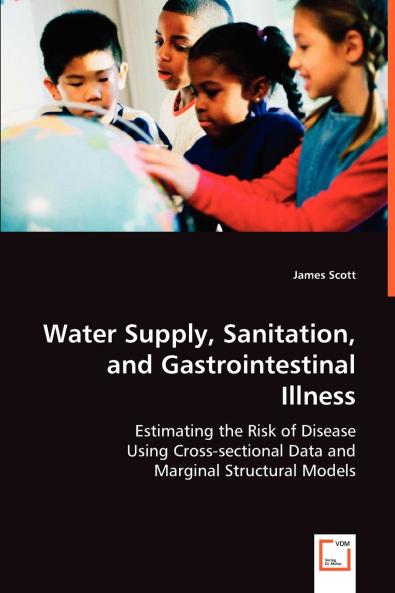
A common way investigators estimate causal effects is though the use of randomized controlled trials (RCTs). However in certain epidemiological contexts (e.g. examining the relationship between water sanitation and gastrointestinal illness) ethical concerns the inability to adequately blind participants and investigators and challenges in employing randomization procedures may make it difficult to conduct internally valid RCTs and may lead to biased results. Recently developed methods in biostatistics allow investigators under certain conditions to estimate the causal effects associated with an exposure using observational data. In this book these methods are applied to country-wide cross-sectional data in order to estimate childhood risk of gastrointestinal illness associated with poor water and sanitation. These analyses illustrate an economical way for epidemiologists and public health professionals to use observational data as a supplement to RCT data to make causal inferences that may be used to inform health policy decisions.

Piracy-free

Assured Quality

Secure Transactions

Fast Delivery

Sustainably Printed
Details
ISBN 13
9783836488518
Publication Date
-08-07-2008
Pages
-116
Weight
-169 grams
Dimensions
-150x220x6.77 mm
