

English


Paperback
₹4081
₹5294
22.91% OFF
(All inclusive*)
Delivery Options
Please enter pincode to check delivery time.
*COD & Shipping Charges may apply on certain items.
Review final details at checkout.
Looking to place a bulk order? SUBMIT DETAILS
Delivery Options
Please enter pincode to check delivery time.
*COD & Shipping Charges may apply on certain items.
Review final details at checkout.
About The Book
Description
Author
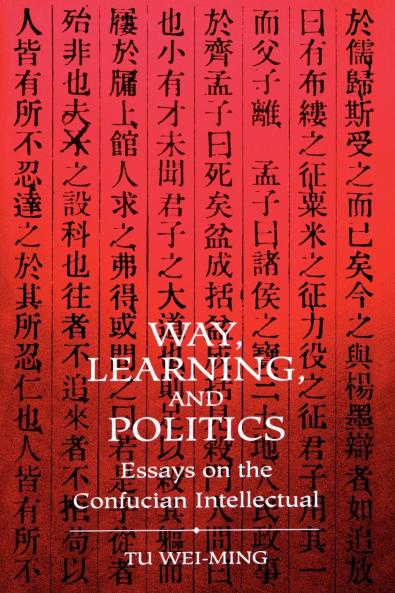
<p>The emergence of New Confucian Humanism as a major intellectual and spiritual tradition in the Chinese cultural area since the Second World War is a phenomenon vitally important and intriguing to students of history philosophy and religion. The Confucian vision rooted in the Chinese Korean Vietnamese and Japanese civilizations has been sustained through more than two millennia of constant social change and holds special meaning for both industrial and socialist East Asia today. Indeed as a living force defining our humanity and exploring our human potential for authentic self-realization it addresses evolving concerns of East Asian civilizations with profound implications for the post-modernized world.</p><p>This book by a leading scholar and thinker of the New Confucian Humanism offers a panoramic view of the core values of the Confucian intellectual from historical and comparative cultural perspectives. Grounded in sound sinological scholarship it brilliantly interprets the Confucian project: the formation of a moral community and the embodiment of the Mandate of Heaven in ordinary human existence through authentic self-realization. In the words of the eminent Princeton sinologist Fritz Mote through Tu Wei-ming's thought-provoking ideas we are shown what has constituted the life-blood of Confucianism throughout its history and are led to understand how it still lives. We are made to see where it resides in the world today especially within the consciousness of modern East Asians (whether or not so identified by them) and increasingly in the awareness of philosophers and historians of thought everywhere.</p><p>Like Professor Tu's earlier book Confucian Thought: Selfhood as Creative Transformation this book will stir modern minds and evoke powerful responses from scholars in ethics religion history and philosophy as well as those in East Asian studies.</p>

Piracy-free

Assured Quality

Secure Transactions

Fast Delivery

Sustainably Printed
Details
ISBN 13
9780791417768
Publication Date
-01-07-1993
Pages
-228
Weight
-315 grams
Dimensions
-152x229x13.19 mm
