

by
Amy Shuman
Carl Lindahl
Kate Parker Horigan
Yutaka Suga
Yoko Taniguchi
Kōji Katō
Gloria M Colom Braña
Georgia Ellie Dassler
English


Paperback
₹2534
(All inclusive*)
Delivery Options
Please enter pincode to check delivery time.
*COD & Shipping Charges may apply on certain items.
Review final details at checkout.
Looking to place a bulk order? SUBMIT DETAILS
Delivery Options
Please enter pincode to check delivery time.
*COD & Shipping Charges may apply on certain items.
Review final details at checkout.
About The Book
Description
Author(s)
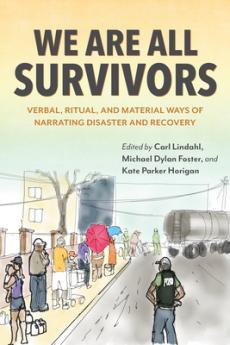
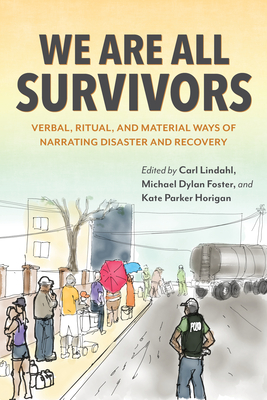
<p><b>What is the role of folklore in the discussion of catastrophe and trauma? How do disaster survivors use language ritual and the material world to articulate their experiences? What insights and tools can the field of folkloristics offer survivors for navigating and narrating disaster and its aftermath? Can folklorists contribute to broader understandings of empathy and the roles of listening in ethnographic work?</b><br /><br /><i>We Are All Survivors</i> is a collection of essays exploring the role of folklore in the wake of disaster. Contributors include scholars from the United States and Japan who have long worked with disaster-stricken communities or are disaster survivors themselves; individual chapters address Hurricane Katrina Hurricane Maria and two earthquakes in Japan including the earthquake tsunami and nuclear disaster of 2011. Adapted from a 2017 special issue of <i>Fabula</i> (from the International Society for Folk Narrative Research) the book includes a revised introduction an additional chapter with original illustrations and a new conclusion considering how folklorists are documenting the COVID-19 pandemic.<br /><br /><i>We Are All Survivors</i> bears witness to survivors' expressions of remembrance grieving and healing.</p>

Piracy-free

Assured Quality

Secure Transactions

Fast Delivery

Sustainably Printed
Details
ISBN 13
9780253063762
Publication Date
-06-09-2022
Pages
-188
Weight
-263 grams
Dimensions
-152x229x10.97 mm
