

English


Hardback
₹11586
₹13290
12.82% OFF
(All inclusive*)
Delivery Options
Please enter pincode to check delivery time.
*COD & Shipping Charges may apply on certain items.
Review final details at checkout.
Looking to place a bulk order? SUBMIT DETAILS
Delivery Options
Please enter pincode to check delivery time.
*COD & Shipping Charges may apply on certain items.
Review final details at checkout.
About The Book
Description
Author
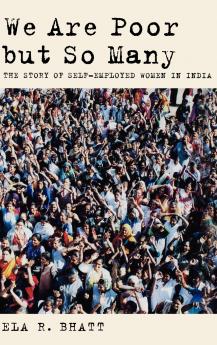
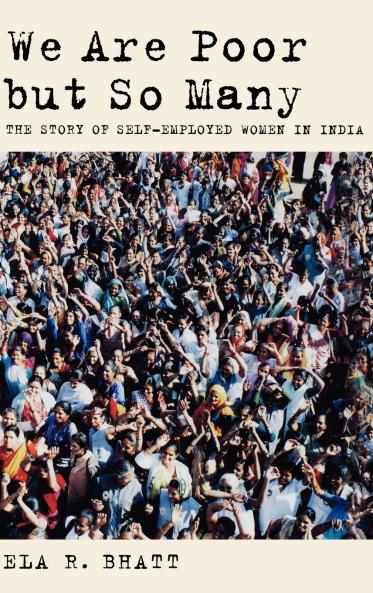
Ela Bhatt is widely recognized as one of the world''s most remarkable pioneers and entrepreneurial forces in grassroots development. Known as the gentle revolutionary she has dedicated her life to improving the lives of India''s poorest and most oppressed citizens. In India where 93 percent of the labor force are self-employed 94 percent of this sector are women. Yet self-employed women have historically enjoyed few legal protections or worker''s rights. In fact most are illiterate and subject to exploitation and harassment by moneylenders employers and officials. Witnessing the terrible conditions faced by women working as weavers stitchers cigarette rollers and waste collectors Ela Bhatt began helping these women to organize themselves. In 1972 Ela Bhatt founded the Self-Employed Women''s Association (SEWA) to bring poor women together and give them ways to fight for their rights and earn better livings. Three years after SEWA was founded it had 7000 members. Today it has a total membership of 700000 women making it the largest single primary trade union in India. Bhatt lead SEWA to form a cooperative bank in 1974 - with a share capital of $30000 - that offered microcredit loans to help women save and become financially independent. Today the SEWA Cooperative Bank has $1.5 million in working capital and more than 30000 depositors with a loan return rate of 94 percent. Through years of organization and strategic action Ela Bhatt developed SEWA from a small often ignored group into a powerful trade union and bank with allies around the world. During the last three decades SEWA''s efforts to increase the bargaining power economic opportunities health security legal representation and organizational abilities of Indian women have brought dramatic improvements to hundreds of thousands of lives and influenced similar initiatives around the globe. We Are Poor but So Many is a first-hand account of the vision rise and success of SEWA in India as well as internationally. The book begins with a history of the early days of SEWA and an exploration of the Ghandian philosophy that helped shape SEWA''s formation and vision. It follows with an account of the struggles and challenges that SEWA faced in its journey and describes how these were addressed and overcome. It then explores the freedom that SEWA has facilitated for women working in the informal economy by presenting several inspirational stories of individual SEWA members. The final chapter describes the international extension of SEWA''s work the challenges that women face in the informal economy worldwide and how SEWA can be effectively replicated in other parts of the world. This volume is unique in that it will elaborate the specific experience and knowledge of Ela Bhatt in her and SEWA''s journey and provide insights and knowledge that no outside researcher would ever be in a position to replicate.

Piracy-free

Assured Quality

Secure Transactions

Fast Delivery

Sustainably Printed
Details
ISBN 13
9780195169843
Publication Date
-01-10-2005
Pages
-244
Weight
-445 grams
Dimensions
-156x234x14.29 mm
