



This Book is Out of Stock!
English


Hardback
₹20171
(All inclusive*)
Delivery Options
*COD & Shipping Charges may apply on certain items.
Review final details at checkout.
Looking to place a bulk order? SUBMIT DETAILS
*COD & Shipping Charges may apply on certain items.
Review final details at checkout.
About The Book
Description
Author(s)
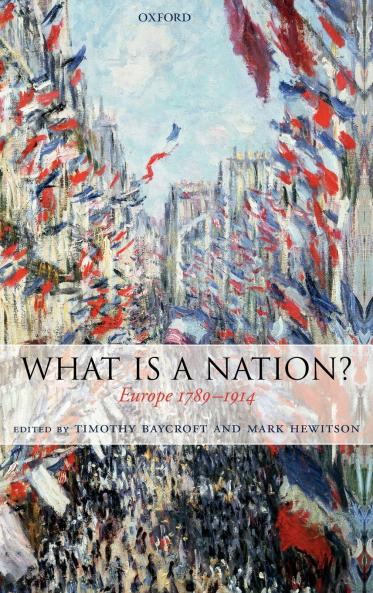
This volume analyses and compares different forms of nationalism across a range of European countries and regions during the long nineteenth century. It aims to put detailed studies of nationalist politics and thought which have proliferated over the last ten years or so into a wider European context. By means of such contextualization together with new and systematic comparisons What is a Nation? Europe 1789-1914 reassesses the arguments put forward in the principal works on nationalism as a whole many of which pre-date the proliferation of case studies in the 1990s and which as a consequence make only inadequate reference to the national histories of European states. The study reconsiders whether the distinction between civic and ethnic identities and politics in Europe has been overstated and whether it needs to be replaced altogether by a new set of concepts or types. What is a Nation? explores the relationship between this and other typologies relating them to complex processes of industrialization increasing state intervention secularization democratization and urbanization. Debates about citizenship political economy liberal institutions socialism empire changes in the states system Darwinism high and popular culture Romanticism and Christianity all affected - and were affected by - discussion of nationhood and nationalist politics. The volume investigates the significance of such controversies and institutional changes for the history of modern nationalism as it was defined in diverse European countries and regions during the long nineteenth century. By placing particular nineteenth-century nationalist movements and nation-building in a broader comparative context prominent historians of particular European states give an original and authoritative reassessment designed to appeal to students and academic readers alike of one of the most contentious topics of the modern period.

Piracy-free

Assured Quality

Secure Transactions
₹20171
Out Of Stock
All inclusive*
Details
ISBN 13
9780199295753
Publication Date
-29-06-2006
Pages
-392
Weight
-647 grams
Dimensions
-156x234x22.23 mm
