


English


Hardback
₹5168
₹5956
13.23% OFF
(All inclusive*)
Delivery Options
Please enter pincode to check delivery time.
*COD & Shipping Charges may apply on certain items.
Review final details at checkout.
Looking to place a bulk order? SUBMIT DETAILS
Delivery Options
Please enter pincode to check delivery time.
*COD & Shipping Charges may apply on certain items.
Review final details at checkout.
About The Book
Description
Author
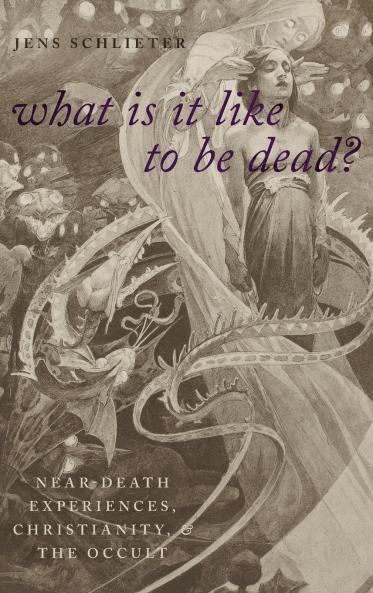
Studies of near-death experiences show that such experiences not only provide a new certainty of post-mortem survival but often function as a call for fundamental change in the present. Reported aftereffects encompass changes in attitudes beliefs and life orientation. It is said that experiencers have lost their fear of death found their purpose in life or become more spiritual. The experience - often declared to be indescribable inexplicable or ineffable - is held by many to be the most important of their lives and moreover the best proof available for matters transcendent. <p/>In <em>What Is It Like To Be Dead?</em> Jens Schlieter argues that to understand recent testimonies of near-death experiences we need to be aware of the history of innumerable reports of earlier near-death experiences that were communicated and handed down in scores of newspapers journals and books. Collections of such testimonies have been published for more than 150 years accompanied by attempts to classify and interpret them. Schlieter analyzes the religious relevance of near-death experiences -for the experiencers themselves but also for the growing audience attracted by these testimonies. Near-death experiences bear ontological epistemic intersubjective and moral significance ranging from reassurance that religious experience is still possible to claims that they initiate a new spiritual orientation in life or offer evidence for the transcultural validity of afterlife beliefs. This study is the first to document and analyze four centuries of near-death testimonies before the codification of the genre in the 1970s offering the first full account of the modern genealogy of near-death experiences.<br>

Piracy-free

Assured Quality

Secure Transactions

Fast Delivery

Sustainably Printed
Details
ISBN 13
9780190888848
Publication Date
-01-09-2018
Pages
-378
Weight
-628 grams
Dimensions
-156x234x25.4 mm
