

English




₹495
₹550
10% OFF
(All inclusive*)
Paperback
Delivery Options
Please enter pincode to check delivery time.
*COD & Shipping Charges may apply on certain items.
Review final details at checkout.
Looking to place a bulk order? SUBMIT DETAILS
Delivery Options
Please enter pincode to check delivery time.
*COD & Shipping Charges may apply on certain items.
Review final details at checkout.
About The Book
Description
Author
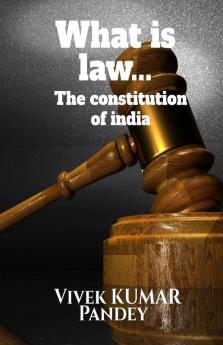
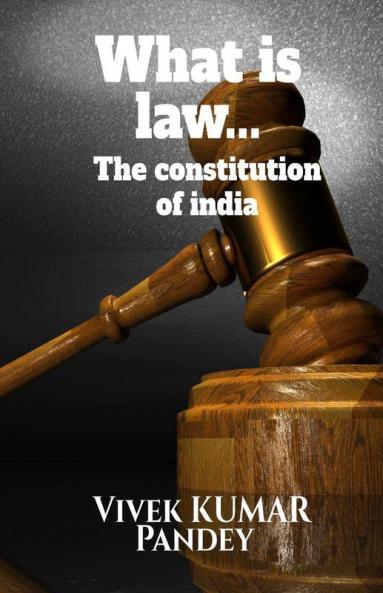
The constitution of India The Constitution of India (IAST: Bhāratīya Saṃvidhāna) is the supreme law of India. The document lays down the framework demarcating fundamental political code structure procedures powers and duties of government institutions and sets out fundamental rights directive principles and the duties of citizens. It is the longest written constitution of any country on earth. B. R. Ambedkar chairman of the drafting committee is widely considered to be its chief architect. It imparts constitutional supremacy (not parliamentary supremacy since it was created by a constituent assembly rather than Parliament) and was adopted by its people with a declaration in its preamble[full citation needed] Parliament cannot override the constitution. B. R. Ambedkar and Constitution of India on a 2015 postage stamp of India It was adopted by the Constituent Assembly of India on 26 November 1949 and became effective on 26 January 1950. The constitution replaced the Government of India Act 1935 as the country's fundamental governing document and the Dominion of India became the Republic of India. To ensure constitutional autochthony its framers repealed prior acts of the BrIt'sh parliament in Article 395. India celebrates its constitution on 26 January as Republic Day. The constitution declares India a sovereign socialist secular democratic republic.

Piracy-free

Assured Quality

Secure Transactions

Fast Delivery

Sustainably Printed
Details
ISBN 13
9781647333119
Publication Date
-29-10-2019
Pages
-260
Weight
-619 grams
Dimensions
-215.9x279.4x14.54 mm
