

English


Hardback
₹849
₹1199
29.19% OFF
(All inclusive*)
Delivery Options
Please enter pincode to check delivery time.
*COD & Shipping Charges may apply on certain items.
Review final details at checkout.
Looking to place a bulk order? SUBMIT DETAILS
Delivery Options
Please enter pincode to check delivery time.
*COD & Shipping Charges may apply on certain items.
Review final details at checkout.
About The Book
Description
Author
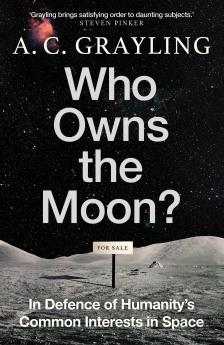
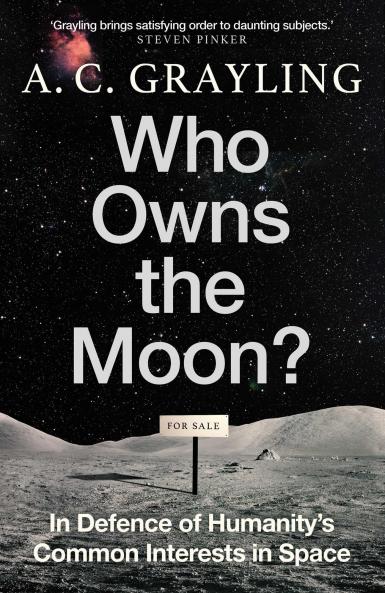
<b>A Defence of Our Intergalactic Common Interests</b> <p/><b>As the world's superpowers and corporations jostle for control in space A. C. Grayling asks: who <i>really</i> owns our planet?</b> <p/><b>'Grayling brings satisfying order to daunting subjects.' STEVEN PINKER</b> <p/>Silicon for microchips; manganese for batteries; titanium for missiles. <p/>The moon contains a wealth of natural resources. So as the Earth's supplies have begun to dwindle it is no surprise that the world's superpowers and wealthiest corporations have turned their eyes to the stars. As this new Space Race begins A.C. Grayling asks: who if anyone owns the moon? Or Mars? Or other bodies in near space? And what do those superpowers and corporations owe to Planet Earth and its inhabitants as a whole? <p/>From feudal common land through the rules of the sea to the vast nationless expanse of Antarctica Grayling explores the history of the places which no one and therefore everyone owns. Examining the many ways this so-called <i>terra nullius</i> has fallen victim to 'the tragedy of the commons' - the tendency for communal resources to be exploited by a few individuals for personal gain at the expense of everyone else - <i>Who Owns the Moon? </i>puts forward a compelling argument for a bold new global consensus one which recognises and defends the rights of everyone who lives on this planet.

Piracy-free

Assured Quality

Secure Transactions

Fast Delivery

Sustainably Printed
Details
ISBN 13
9780861547258
Publication Date
-07-05-2024
Pages
-224
Weight
-340 grams
Dimensions
-134.6x215.9x58.31 mm
