


English



₹4458
₹5676
21.46% OFF
(All inclusive*)
Paperback
Delivery Options
Please enter pincode to check delivery time.
*COD & Shipping Charges may apply on certain items.
Review final details at checkout.
Looking to place a bulk order? SUBMIT DETAILS
Delivery Options
Please enter pincode to check delivery time.
*COD & Shipping Charges may apply on certain items.
Review final details at checkout.
About The Book
Description
Author(s)
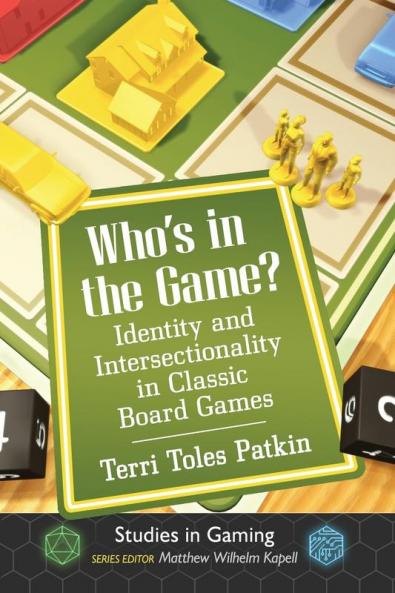
<p> Some board games--like <I>Candy Land Chutes & Ladders Clue Guess Who The Game of Life Monopoly Operation</I> and <I>Payday</I>--have popularity spanning generations. But over time updates to games have created significantly different messages about personal identity and evolving social values. Games offer representations of gender sexuality race ethnicity religion age ability and social class that reflect the status quo and respond to social change. </p><p> Using popular mass-market games this rhetorical assessment explores board design game implements (tokens markers 3-D elements) and playing instructions. This book argues the existence of board games as markers of an ever-changing sociocultural framework exploring the nature of play and how games embody and extend societal themes and values.</p>

Piracy-free

Assured Quality

Secure Transactions

Fast Delivery

Sustainably Printed
Details
ISBN 13
9781476676913
Publication Date
-14-12-2020
Pages
-282
Weight
-386 grams
Dimensions
-152x229x16.14 mm
