


Eng




₹1942
₹2159
10.05% OFF
(All inclusive*)
Hardback
Delivery Options
Please enter pincode to check delivery time.
*COD & Shipping Charges may apply on certain items.
Review final details at checkout.
Looking to place a bulk order? SUBMIT DETAILS
Delivery Options
Please enter pincode to check delivery time.
*COD & Shipping Charges may apply on certain items.
Review final details at checkout.
About The Book
Description
Author
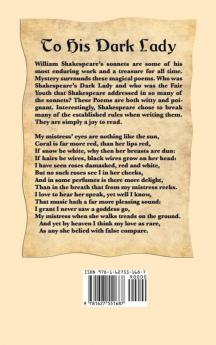
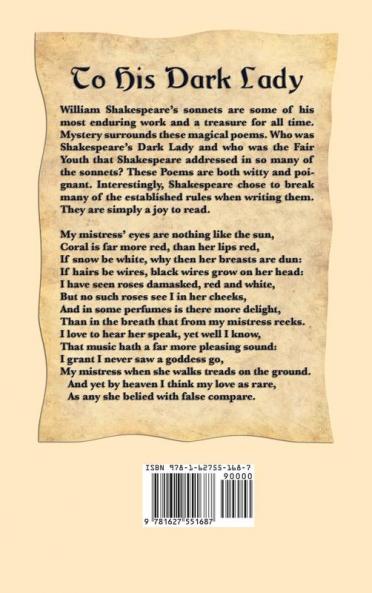
<p><strong>Love desire jealousy beauty betrayal aging and the relentless passage of time converge in one of the greatest poetic sequences in the English language.</strong></p><p>First published in 1609 <em>William Shakespeare's Sonnets</em> contains 154 poems that explore the emotional and philosophical complexities of human attachment. Addressed to figures traditionally identified as the Fair Youth the Dark Lady and the Rival Poet the sonnets move through admiration longing devotion resentment sexual desire self-doubt and reconciliation. Shakespeare repeatedly returns to the tension between beauty's brief life and poetry's power to preserve what time destroys.</p><p>Written primarily in the form now known as the Shakespearean sonnet these poems combine tightly controlled structure with striking imagery verbal wit and psychological intensity. Familiar works such as Sonnet 18 Shall I compare thee to a summer's day? Sonnet 29 When in disgrace with fortune and men's eyes and Sonnet 116 Let me not to the marriage of true minds stand beside darker poems concerned with lust infidelity humiliation illness and death.</p><p>The sequence remains compelling because it resists simple interpretations of love and beauty. Shakespeare presents affection as sustaining and destructive idealized and physical faithful and treacherous. These poems reward repeated reading and continue to influence poets scholars performers and readers seeking language equal to the most difficult and enduring human emotions.</p>

Piracy-free

Assured Quality

Secure Transactions

Fast Delivery

Sustainably Printed
Details
ISBN 13
9781627551687
Publication Date
-14-05-2013
Pages
-82
Weight
-212 grams
Dimensions
-152x229x7.94 mm
