

English


Hardback
₹607
₹675
10.07% OFF
(All inclusive*)
Delivery Options
Please enter pincode to check delivery time.
*COD & Shipping Charges may apply on certain items.
Review final details at checkout.
Looking to place a bulk order? SUBMIT DETAILS

Piracy-free

Assured Quality

Secure Transactions
About The Book
Description
Author
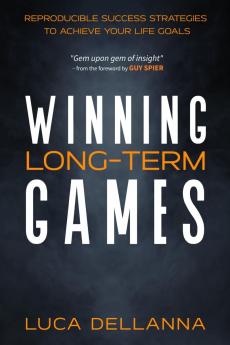
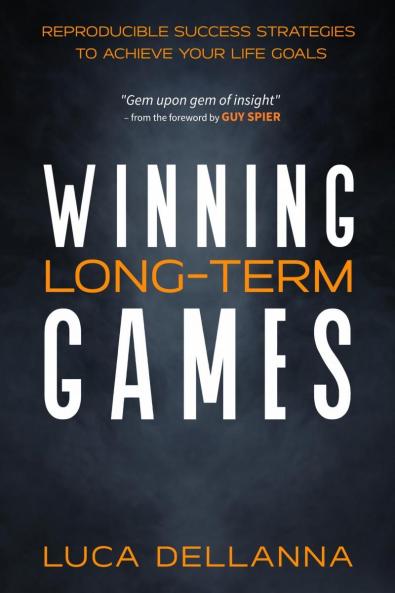
<p>The key to winning long-term games is to stop playing them as a succession of separate short-term games.</p><p>Yet most people take the opposite approach.</p><p>The manager who sees each interaction with her team as a separate game. Every time she talks to her subordinates it's to get things done rather than develop their skills. As a result she fails to build the long-term assets (a competent team) she needs in order to win her long-term game (a successful career).<br/>The spouse who lies as a way to avoid responsibility. If lying has say a 1% chance of getting discovered it's a great short-term tactic (it succeeds 99% of the time) but a terrible long-term strategy (if you lie once a week you have a 99.5% chance of getting caught over a decade).<br/>The solopreneur who sends weekly emails to their mailing list and sees each as a separate game. Therefore they consume their audience's trust to generate more sales within a single email instead of building trust to create more sales within a few months.<br/>These three examples show that approaching long-term games as a succession of separate short-term games is a bad strategy despite working great over short time horizons.</p><p>Instead you should play short-term games not to win them but to progress your long-term objectives.</p><p>This book teaches you how to do that and much more: how to design and execute Reproducible Success Strategies how to pre-empt failure and learn from the failures of others etc.</p><p>Foreword by Guy Spier</p>
Piracy-free
Assured Quality
Secure Transactions
Delivery Options
Please enter pincode to check delivery time.
*COD & Shipping Charges may apply on certain items.
Review final details at checkout.
Details
ISBN 13
9798900890258
Publication Date
-07-10-2025
Pages
-186
Weight
-348 grams
Dimensions
-152.4x228.6x11.56 mm
