

English


₹5260
₹6273
16.15% OFF
(All inclusive*)
Paperback
Delivery Options
Please enter pincode to check delivery time.
*COD & Shipping Charges may apply on certain items.
Review final details at checkout.
Looking to place a bulk order? SUBMIT DETAILS
Delivery Options
Please enter pincode to check delivery time.
*COD & Shipping Charges may apply on certain items.
Review final details at checkout.
About The Book
Description
Author
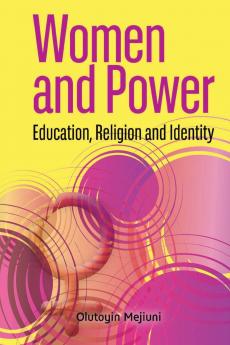
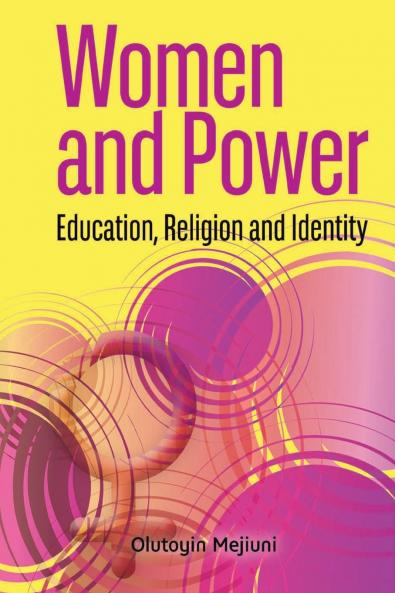
Education is an important tool for the development of human potential. Organizations and individuals interested in development consider knowledge skills and attitudes obtained through formal non-formal and incidental learning as invaluable assets. Therefore it is necessary to reflect on fundamental elements that shape the process through which education is attained: How do people learn and what are the conditions that facilitate effective learning? Answers to these questions demonstrate that no education can be politically neutral because there is no value-free education. The traditional or indigenous education systems in Nigeria which covered (and still cover) physical training development of character respect for elders and peers development of intellectual skills specific vocational trainings developing a sense of belonging and participation in community affairs and understanding appreciating and promoting the cultural heritage of the community were and are not value-free. In other words the goals and purpose of education the content the entire process and the procedures chosen for evaluation in education are all value-laden. This book attempts to show that the teaching-learning process in higher education and religion taught and learned through non-formal and informal education (or the hidden curriculum) and other socialization processes within and outside the formal school system all interface to determine the persons that women become. This education enhances or limits women's capabilities whether in the civic-political sphere or in their attempts to resist violence. Hence education and religion have ways of empowering or disempowering women.

Piracy-free

Assured Quality

Secure Transactions

Fast Delivery

Sustainably Printed
Details
ISBN 13
9782869784932
Publication Date
-15-05-2013
Pages
-236
Weight
-326 grams
Dimensions
-152x229x13.63 mm
