

English


Paperback
₹5766
₹7597
24.1% OFF
(All inclusive*)
Delivery Options
Please enter pincode to check delivery time.
*COD & Shipping Charges may apply on certain items.
Review final details at checkout.
Looking to place a bulk order? SUBMIT DETAILS
Delivery Options
Please enter pincode to check delivery time.
*COD & Shipping Charges may apply on certain items.
Review final details at checkout.
About The Book
Description
Author
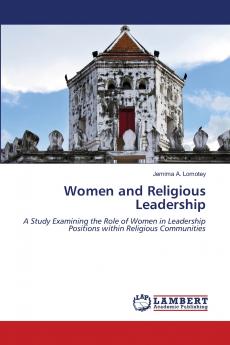
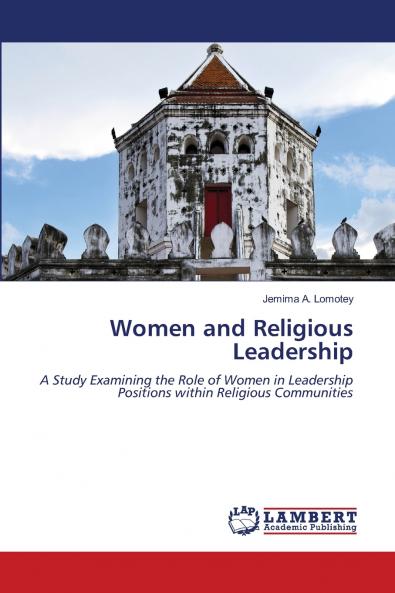
This study explores the complexities of women's leadership roles in religious communities examining theological doctrinal institutional and cultural barriers that hinder their ascension. Using a qualitative approach data was collected from Christian Muslim Traditionalist and Hindu backgrounds and analyzed through thematic analysis of interviews. Findings reveal that theological justifications often rooted in sacred texts and male-dominated interpretations serve as a primary exclusionary factor. Feminist theologians advocate for a more inclusive reading that affirms women's spiritual authority. Institutional resistance also plays a key role with hierarchical structures maintaining traditional norms. However democratic governance models show greater openness to female leadership. Cultural dynamics further shape acceptance as societal attitudes toward gender roles influence opportunities for women in religious leadership. The study underscores the need for reconsidering these barriers to foster a more equitable and inclusive religious leadership landscape.

Piracy-free

Assured Quality

Secure Transactions

Fast Delivery

Sustainably Printed
Details
ISBN 13
9786208450502
Publication Date
-11-06-2025
Pages
-84
Weight
-127 grams
Dimensions
-152x229x5.11 mm
