

English


₹2389
₹2725
12.33% OFF
(All inclusive*)
Paperback
Delivery Options
Please enter pincode to check delivery time.
*COD & Shipping Charges may apply on certain items.
Review final details at checkout.
Looking to place a bulk order? SUBMIT DETAILS
Delivery Options
Please enter pincode to check delivery time.
*COD & Shipping Charges may apply on certain items.
Review final details at checkout.
About The Book
Description
Author
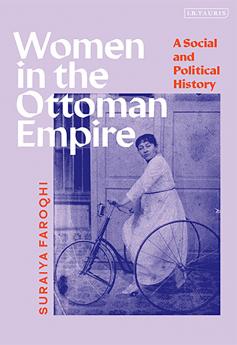
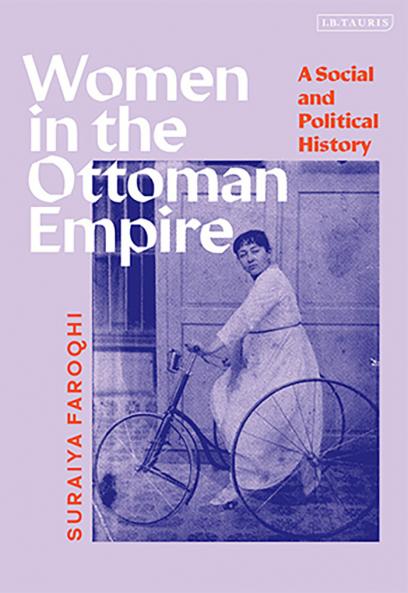
<p>It is an often ignored but fundamental fact that in the Ottoman world as in most empires there were 'first-class' and 'second class' subjects. Among the townspeople peasants and nomads subject to the sultans who might be Muslims or non-Muslims adult Muslim males were first-class subjects and all others including Muslim boys and women were of the second class. As for the female members of the elite while less privileged than the males in some respects their life chances might be better than those of ordinary women. Even so they shared the risks of pregnancy childbirth and epidemic diseases with townswomen of the subject class and to a certain extent with village women as well. Thus the study of Ottoman women is indispensable for understanding Ottoman society in general. <p/>In this book the agency of women from a diverse range of class religious ethnic and geographic backgrounds is for the first time woven into the social and political history of the Ottoman Empire from the early-modern period to its dissolution in 1918. Suraiya Faroqhi charts the history of elite and non-elite women in thematic chapters concentrating on urban women family life work slavery education and survival in times of war. In the process the book introduces readers to the key sources primary and secondary necessary to reconstruct and understand the ways that females navigated social legal and economic constraints through the central prisms of family relations work and charity. The first introductory social history of women in the Ottoman Empire and including a timeline and extended further reading section this book will be essential reading for scholars and students of Ottoman history and the history of women in the Middle East.</p>

Piracy-free

Assured Quality

Secure Transactions

Fast Delivery

Sustainably Printed
Details
ISBN 13
9780755638260
Publication Date
-23-02-2023
Pages
-328
Weight
-529 grams
Dimensions
-168.91x244.09x17.45 mm
