

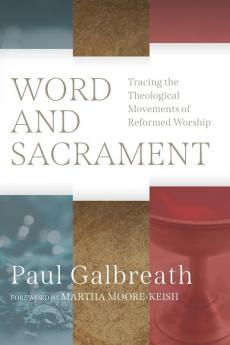
English
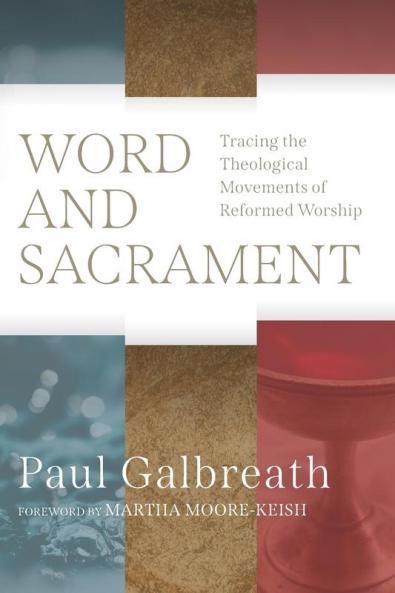


Paperback
₹3256
₹3330
2.22% OFF
(All inclusive*)
Delivery Options
Please enter pincode to check delivery time.
*COD & Shipping Charges may apply on certain items.
Review final details at checkout.
Looking to place a bulk order? SUBMIT DETAILS
Delivery Options
Please enter pincode to check delivery time.
*COD & Shipping Charges may apply on certain items.
Review final details at checkout.
About The Book
Description
Author
<p><strong style=background-color: rgba(255 255 255 1); color: rgba(0 0 0 1)>In this critical work liturgical scholar Paul Galbreath brings together key theological insights and historical analysis to offer a theological roadmap of where the Reformed tradition has traveled in order to propose directions for where it is heading.</strong></p><p><br></p><p><span style=background-color: rgba(255 255 255 1); color: rgba(0 0 0 1)>From the time of John Calvin until today Reformed theology and worship have acknowledged Word and sacrament as central to its Christian identity. Yet the ways in which Scripture is read and used in worship and the ways in which baptism and the Lord's Supper are experienced have varied and developed throughout the history of the Reformed church. By exploring key liturgies confessions directories for worship and theological movements this book examines common theological themes and commitments that have undergirded worship as well as ways that our understandings and practices have developed in light of new contexts and challenges.&nbsp;</span></p><p><br></p><p><span style=background-color: rgba(255 255 255 1); color: rgba(0 0 0 1)>Historical insights from the Reformed tradition provide a basis for exploring patterns of worship that maintain the commitment to Word and sacrament while proposing new ways in which Scripture baptism and the Lord's Supper can be experienced in the postmodern context. The study of how theological insights have prompted liturgical change provides a roadmap for how worship can adapt to address significant concerns that we face in our communities congregations and personal lives such as caring for the earth and responding to the needs of the poor. Altogether&nbsp;</span><em style=background-color: rgba(255 255 255 1); color: rgba(0 0 0 1)>Word and Sacrament</em><span style=background-color: rgba(255 255 255 1); color: rgba(0 0 0 1)>&nbsp;offers constructive and practical directions that will lead to congregational renewal.</span></p><p><br></p><p><span style=background-color: rgba(255 255 255 1); color: rgba(0 0 0 1)>Martha Moore-Keish writes in her foreword Shaped by his years of serving as a pastor theologian and seminary professor deeply engaged in liturgical and sacramental renewal Galbreath argues that our theological presuppositions shape liturgical development. This was true for Calvin in the sixteenth century for Barth in the early twentieth century for the formation of the&nbsp;</span><em style=background-color: rgba(255 255 255 1); color: rgba(0 0 0 1)>Worshipbook</em><span style=background-color: rgba(255 255 255 1); color: rgba(0 0 0 1)>&nbsp;and the&nbsp;</span><em style=background-color: rgba(255 255 255 1); color: rgba(0 0 0 1)>Book of Common Worship</em><span style=background-color: rgba(255 255 255 1); color: rgba(0 0 0 1)>&nbsp;in the late twentieth century and it remains true today. Given this reality he argues we need to make 'conscious theological choices for the language and images that we use in worship.</span></p><p><br></p>

Piracy-free

Assured Quality

Secure Transactions

Fast Delivery

Sustainably Printed
Details
ISBN 13
9780664268442
Publication Date
-09-09-2024
Pages
-202
Weight
-281 grams
Dimensions
-152x229x10.87 mm
