

English


Paperback
₹5923
₹6776
12.59% OFF
(All inclusive*)
Delivery Options
Please enter pincode to check delivery time.
*COD & Shipping Charges may apply on certain items.
Review final details at checkout.
Looking to place a bulk order? SUBMIT DETAILS
Delivery Options
Please enter pincode to check delivery time.
*COD & Shipping Charges may apply on certain items.
Review final details at checkout.
About The Book
Description
Author(s)
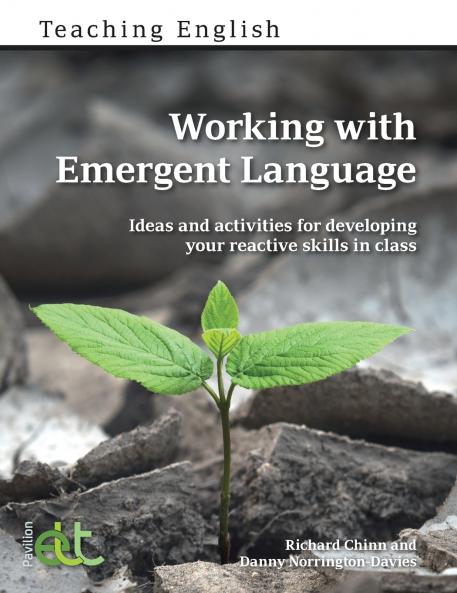
<p><span style=background-color: rgba(255 255 255 1); color: rgba(0 92 169 1)>Emergent language (EL) is any unplanned language item that arises naturally during lessons that the teacher then chooses to focus on for clarification or modification and this pedagogy is gaining traction year on year. It originally stemmed from Dogme a popular movement that basically suggested not using coursebooks or set texts in class at all and working with what the students and the teacher themselves provide. Emergent language takes on board lessons learnt from using Dogme and current teaching practices. However working with EL is considered a very difficult skill to master especially for newer teachers or trainee teachers. Therefore it is not often included on training courses or discussed at length in training manuals for teachers.&nbsp;</span><em style=background-color: rgba(255 255 255 1); color: rgba(0 92 169 1)>Working with Emergent Language&nbsp;</em><span style=background-color: rgba(255 255 255 1); color: rgba(0 92 169 1)>seeks to close this gap by making teachers more aware of what EL is and how they can learn to work with it more effectively and confidently.</span></p><h5><strong style=background-color: rgba(255 255 255 1); color: rgba(0 92 169 1)>What does&nbsp;<em>Working with Emergent Language&nbsp;</em>cover?</strong></h5><p><span style=background-color: rgba(255 255 255 1); color: rgba(0 92 169 1)>This book starts by drawing on the literature and the authors' own experiences to make the case that working with EL is essential for language acquisition to occur and therefore a skill that language teachers should possess. The case is backed up by research and data from observations to explore how experienced teachers work with EL at different stages of a lesson and why they do so. To show how teachers work with EL you will be introduced to a new framework of teacher intervention types. This draws on previous frameworks plus the authors' own terms created following their extensive research. Transcripts and classroom commentaries from genuine lessons show how these interventions are used by teachers and why.</span></p><p><span style=background-color: rgba(255 255 255 1); color: rgba(0 92 169 1)>Part two of&nbsp;</span><em style=background-color: rgba(255 255 255 1); color: rgba(0 92 169 1)>Working with Emergent Language</em><span style=background-color: rgba(255 255 255 1); color: rgba(0 92 169 1)>&nbsp;provides awareness-raising practice and reflective tasks to help new and experienced teachers develop their skills with EL. Teacher trainers and educators can also use these tasks during courses workshops and observations programmes in schools. Through these tasks new teachers will be able to work with EL earlier in their careers. Teacher educators can also more confidently introduce EL on their courses. Through the tasks and discussion in this section you will learn why reflective practice is central to teacher education and development and through the use of tasks explained in the book teachers can also take control of their development much earlier in their careers.</span></p><p><span style=background-color: rgba(255 255 255 1); color: rgba(0 92 169 1)>The final part of the book addresses typical questions and issues about working with emergent language that teachers often ask. They dispel common conceptions suggesting that working with EL is difficult or inappropriate in some contexts and situations.</span></p><h5></h5><p></p>

Piracy-free

Assured Quality

Secure Transactions

Fast Delivery

Sustainably Printed
Details
ISBN 13
9781803881287
Publication Date
-28-02-2023
Pages
-246
Weight
-391 grams
Dimensions
-176x228x13.15 mm
