

English


Paperback
₹4222
(All inclusive*)
Delivery Options
Please enter pincode to check delivery time.
*COD & Shipping Charges may apply on certain items.
Review final details at checkout.
Looking to place a bulk order? SUBMIT DETAILS
Delivery Options
Please enter pincode to check delivery time.
*COD & Shipping Charges may apply on certain items.
Review final details at checkout.
About The Book
Description
Author(s)
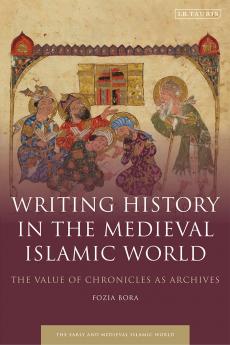
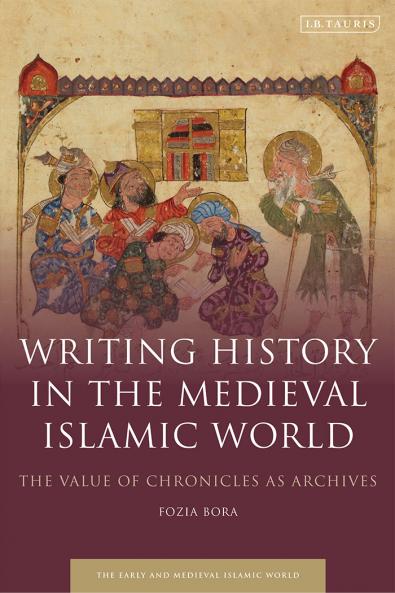
<p>In the 'encyclopaedic' fourteenth century Arabic chronicles produced in Mamluk cities bore textual witness to both recent and bygone history including that of the Fatimids (969-1171CE). For in two centuries of rule over Egypt and North Africa the Isma'ili Fatimids had left few self-generated historiographical records. Instead it fell to Ayyubid and Mamluk historians to represent the dynasty to posterity. This monograph sets out to explain how later historians preserved interpreted and re-organised earlier textual sources.<br>Mamluk historians engaged in a sophisticated archival practice within historiography rather than uncritically reproducing earlier reports. In a new diplomatic edition translation and analysis of Mamluk historian Ibn al-Furat's account of late Fatimid rule in <i>The</i> <i>History of Dynasties and Kings</i> a widely known but barely copied universal chronicle of Islamic history Fozia Bora traces the survival of historiographical narratives from Fatimid Egypt. Through Ibn al-Furat's text Bora demonstrates archivality as the heuristic key to Mamluk historical writing.<br>This book is essential for all scholars working on the written culture and history of the medieval Islamic world and paves the way for a more nuanced reading of pre-modern Arabic chronicles and of the epistemic environment in which they were produced.</p>

Piracy-free

Assured Quality

Secure Transactions

Fast Delivery

Sustainably Printed
Details
ISBN 13
9780755638512
Publication Date
-24-12-2020
Pages
-270
Weight
-388 grams
Dimensions
-155.96x233.93x14.47 mm
