


This Book is Out of Stock!
English


Paperback
₹9069
(All inclusive*)
Delivery Options
*COD & Shipping Charges may apply on certain items.
Review final details at checkout.
Looking to place a bulk order? SUBMIT DETAILS

Piracy-free

Assured Quality

Secure Transactions
About The Book
Description
Author
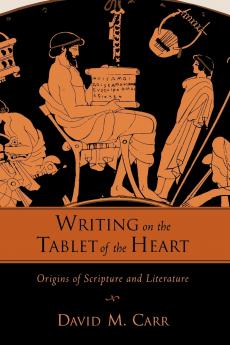
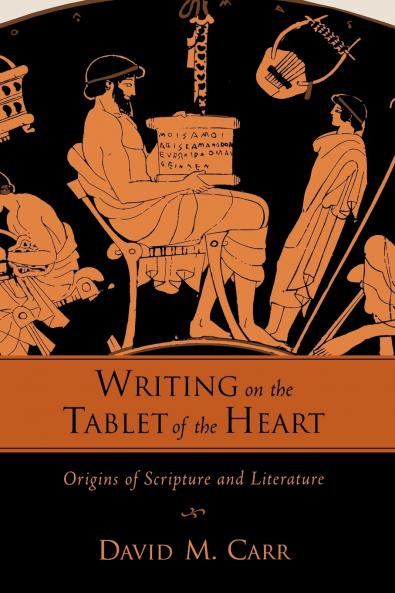
This book explores a new model for the production revision and reception of Biblical texts as Scripture. Building on recent studies of the oral–written interface in medieval Greco-Roman and ancient Near Eastern contexts David Carr argues that in ancient Israel Biblical texts and other texts emerged as a support for an educational process in which written and oral dimensions were integrally intertwined. The point was not incising and reading texts on parchment or papyrus. The point was to enculturate ancient Israelites -- particularly Israelite elites - by training them to memorize and recite a wide range of traditional literature that was seen as the cultural bedrock of the people: narrative prophecy prayer and wisdom. Generally mastery was exercised through remarkably exact recall and reproduction of the tradition - whether through oral performance or through production of written performances. Crises like exile however could prompt the creation of radically new versions of the classic tradition incorporating verbal recall of ancient tradition with various extensions recontextualizations and supplements. This educational process took place on a one-to-one basis and focused on the cultivation of an educated elite. A major change took place with the arrival of the Hellenistic empires in the fourth and following centuries. This says Carr led to the emergence of a democratized Jewish school as well as the marking off of the standard Israelite texts as an anti-canon to the Hellenistic canon of educational texts that were used in the Greek schools of the Eastern Mediterranean.
Piracy-free
Assured Quality
Secure Transactions
*COD & Shipping Charges may apply on certain items.
Review final details at checkout.
₹9069
Out Of Stock
All inclusive*
Details
ISBN 13
9780195382426
Publication Date
-01-09-2008
Pages
-348
Weight
-495 grams
Dimensions
-156x234x18.39 mm
