


English


Paperback
₹2281
₹2804
18.65% OFF
(All inclusive*)
Delivery Options
Please enter pincode to check delivery time.
*COD & Shipping Charges may apply on certain items.
Review final details at checkout.
Looking to place a bulk order? SUBMIT DETAILS
Delivery Options
Please enter pincode to check delivery time.
*COD & Shipping Charges may apply on certain items.
Review final details at checkout.
About The Book
Description
Author
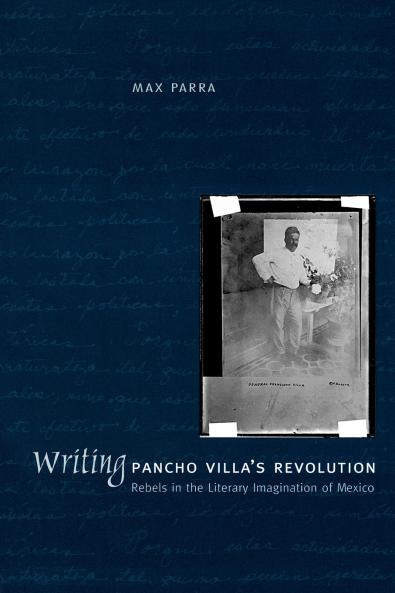
<p>The 1910 Mexican Revolution saw Francisco Pancho Villa grow from social bandit to famed revolutionary leader. Although his rise to national prominence was short-lived he and his followers (the <i>villistas</i>) inspired deep feelings of pride and power amongst the rural poor. After the Revolution (and Villa's ultimate defeat and death) the new ruling elite resentful of his enormous popularity marginalized and discounted him and his followers as uncivilized savages. Hence it was in the realm of culture rather than politics that his true legacy would be debated and shaped.</p> <p>Mexican literature following the Revolution created an enduring image of Villa and his followers. <i>Writing Pancho Villa's Revolution</i> focuses on the novels chronicles and testimonials written from 1925 to 1940 that narrated Villa's grassroots insurgency and celebrated-or condemned-his charismatic leadership. By focusing on works by urban writers Mariano Azuela (<i>Los de abajo</i>) and Martín Luis Guzmán (<i>El águila y la serpiente</i>) as well as works closer to the violent tradition of northern Mexican frontier life by Nellie Campobello (<i>Cartucho</i>) Celia Herrera (<i>Villa ante la historia</i>) and Rafael F. Muñoz (<i>¡Vámonos con Pancho Villa!</i>) this book examines the alternative views of the revolution and of the <i>villistas</i>. Max Parra studies how these works articulate different and at times competing views about class and the cultural otherness of the rebellious masses. This unique revisionist study of the <i>villista</i> novel also offers a deeper look into the process of how a nation's collective identity is formed.</p>

Piracy-free

Assured Quality

Secure Transactions

Fast Delivery

Sustainably Printed
Details
ISBN 13
9780292709782
Publication Date
-01-01-2006
Pages
-200
Weight
-278 grams
Dimensions
-152x229x11.64 mm
