



English





Paperback
₹485
₹595
18.49% OFF
(All inclusive*)
Delivery Options
Please enter pincode to check delivery time.
*COD & Shipping Charges may apply on certain items.
Review final details at checkout.
Looking to place a bulk order? SUBMIT DETAILS
Delivery Options
Please enter pincode to check delivery time.
*COD & Shipping Charges may apply on certain items.
Review final details at checkout.
About The Book
Description
Author
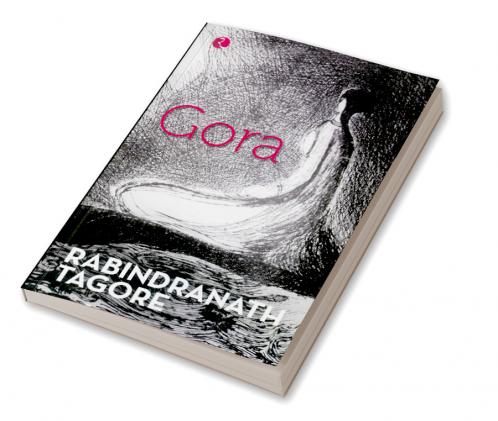
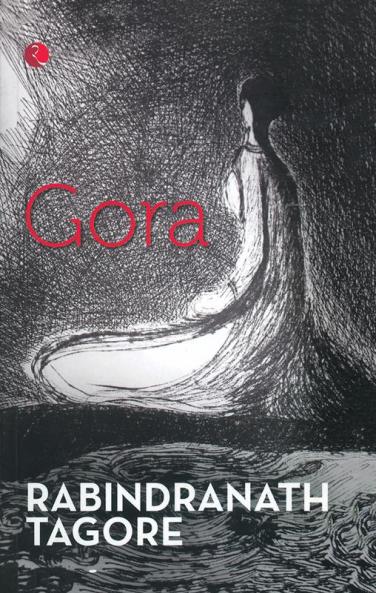
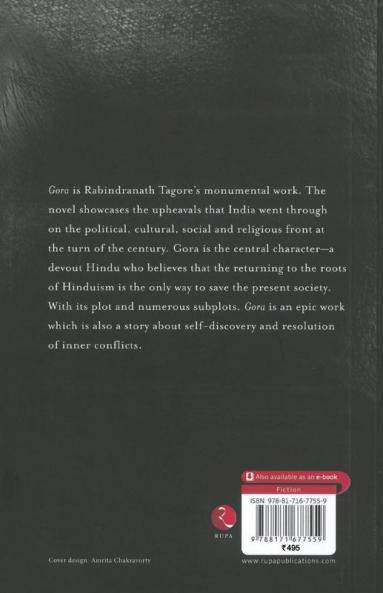
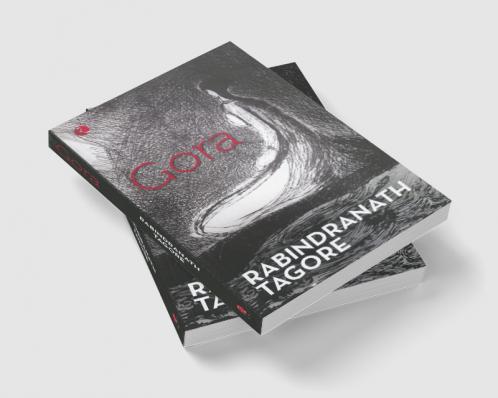
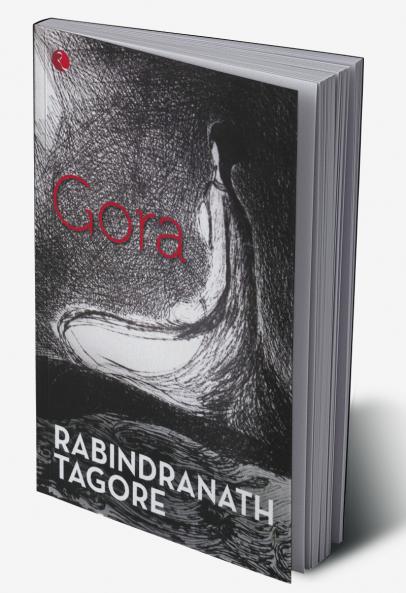
<p><i>Gora</i> (1910) is <b>Rabindranath Tagore's </b>fifth novel and is widely regarded as his masterpiece. Exploring the social cultural religious and political life of nineteenth-century urban middle-class Bengal it stands as a landmark in the history of the Bengali novel. The story reflects Tagore's own transition from Hindu revivalism to universal brotherhood nationalism to internationalism and rigid Brahmanism to a more humanistic spirituality. The novel was translated into English by W.W. Pearson in 1924. </p><p> More than just a novel <i>Gora</i> is an epic portrayal of India in a period of profound change capturing the intellectual awakening and social upheaval experienced by the new intelligentsia. </p><p> No other work offers such a masterful analysis of India's complex social fabric with its deep contradictions or the character of Indian nationalism--rooted in resurgent Hinduism yet reaching toward universal humanism. Despite the extensive philosophical debates inherent to its themes Tagore skillfully maintains a compelling narrative that keeps readers engaged until the very end. </p>

Piracy-free

Assured Quality

Secure Transactions

Fast Delivery

Sustainably Printed
Details
ISBN 13
9788171677559
Publication Date
-01-09-2002
Pages
-576
Weight
-667 grams
Dimensions
-139.7x215.9x31.49 mm
